- weight
- 0.03 g
- sun
- 0.36× as wide
- sky
- warm white
Illustration computed from this world’s measured and derived values, not a photograph.
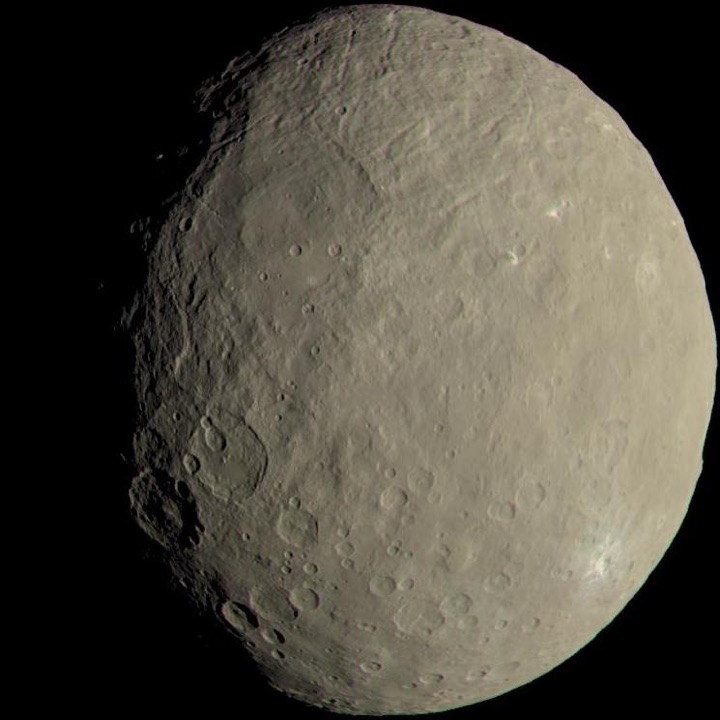
Ceres
Ceres is a rocky world in our own solar system.
Standing on Ceres, you would weigh about 97% less than you do on Earth. From here the Sun looks 0.36× as wide as it does from Earth, bathing the surface in warm white light. A year here lasts 4.6 Earth years.
What these mean: surface gravity · tidal locking · equilibrium temperature
If your children grew up herea playful thought experiment
Barely any weight to fight, at 0.03 times Earth's gravity. A child who grew up here could grow remarkably tall and willowy, about 2.0x taller than on Earth: a 5 ft 10 in adult could stand nearer 11 ft 10 in, with long thin limbs and delicate bones that never had to bear much load.
- Bones
- Light and slender
- With little weight to carry, the growing skeleton lays down far less bone, the way astronauts' bones thin in months of low gravity.
- Heart
- Unhurried
- With less weight pulling blood down toward the feet, the heart has far less work to do.
- Movement
- Bounding and springy
- So little weight means each step would carry the body up and forward in long, floating strides.
A playful thought experiment from this world’s gravity, not a prediction about any real person. No human has ever grown up off Earth, so no one truly knows; the direction (taller in low gravity, shorter and stockier in high) follows how growing bodies respond to weight.
Hear how a voice sounds herea computed acoustic demoEXPERIMENTAL · just for fun
You would hear nothing at all.
With essentially no atmosphere, there is no medium to carry sound. You could shout into someone's helmet from an inch away and they would hear nothing: space is silent.
- !No atmosphere to speak of, and nothing to shield you from solar and cosmic radiation.
- !Gravity is under 3% of Earth's, so a careless step could launch you a long way.
- Bright patches of salt in Occator crater were left by briny water that welled up from below.
A playful read of Ceres’s measured and computed values, not a real advisory.
Ceres is in our own solar system. It orbits about 2.77 AU from the Sun, so sunlight reaches it in roughly 23 minutes. From Earth it is about 1.77 AU away at closest, and a spacecraft is far slower:
How long to get there with today’s craftCALCULATED
At the speed of the Parker Solar Probe, the fastest craft ever built, the trip to Ceres would take about 16 days; a real mission took the Dawn probe about 7 and a half years, with more than a year in orbit around Vesta on the way.
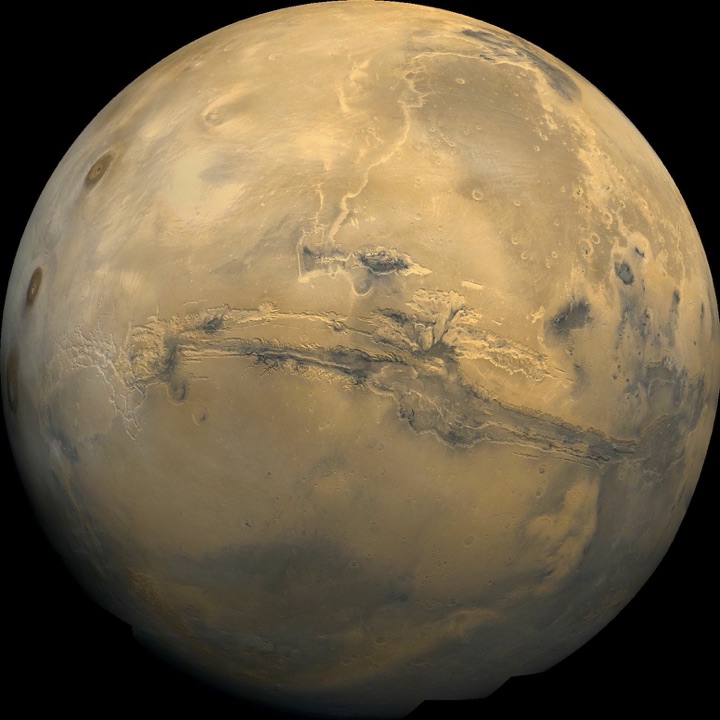
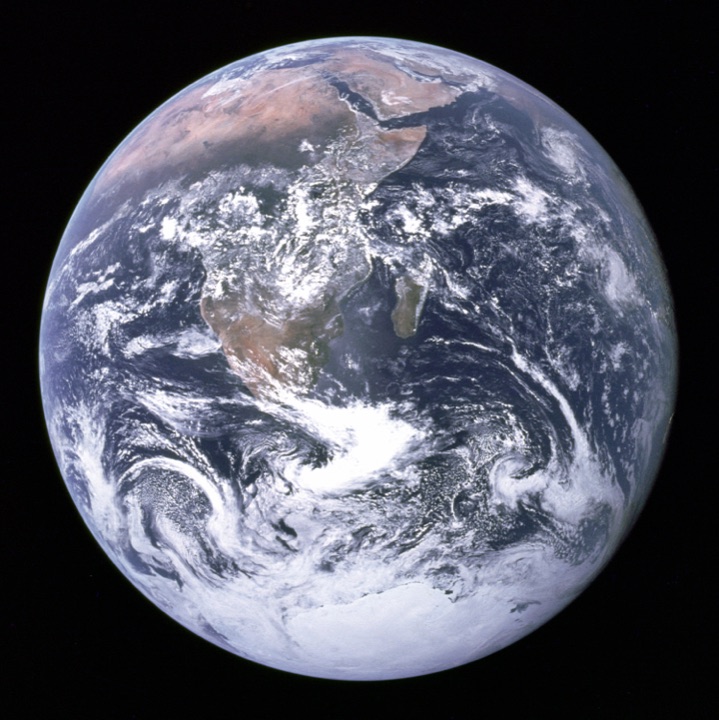
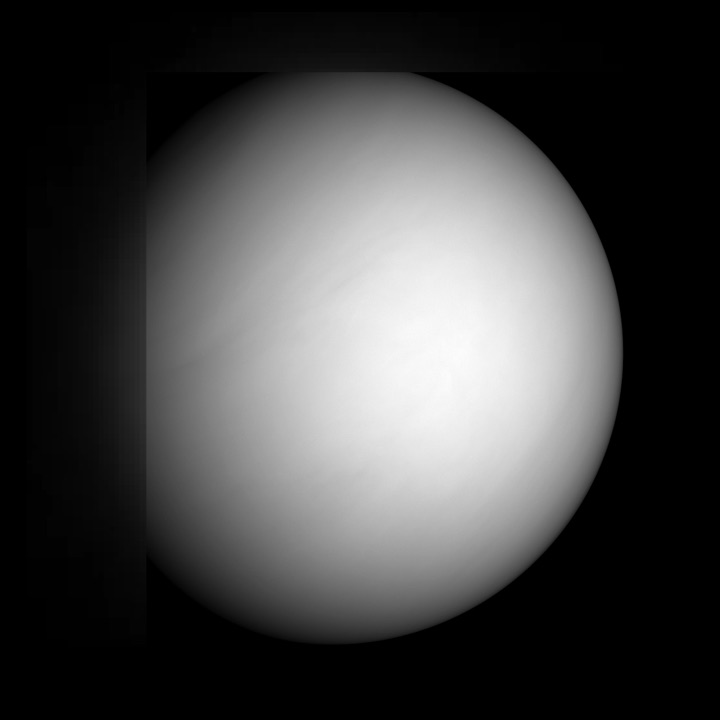
Zoom out: star → system → (soon) galaxy arm, host black hole, and a real image of the host galaxy.
Matched telescope & eyepiece recommendations are coming. Any product links will carry a clear affiliate disclosure.
What is the gravity on Ceres?
Ceres's surface gravity is about 0.03 times Earth's.
How much would you weigh on Ceres?
Someone who weighs 150 pounds on Earth would weigh about 4 pounds on Ceres.
How long is a year on Ceres?
Ceres completes one orbit of the Sun in 4.6 years.
The portrait of Ceres is a real photograph (NASA/JPL-Caltech/UCLA/MPS/DLR/IDA, Public domain). The "stand here" scene and the size comparison are computed illustrations, not photographs.